I. Introduction: Why Small Businesses in Rural Communities Need an Online Presence
The Local Feed Store
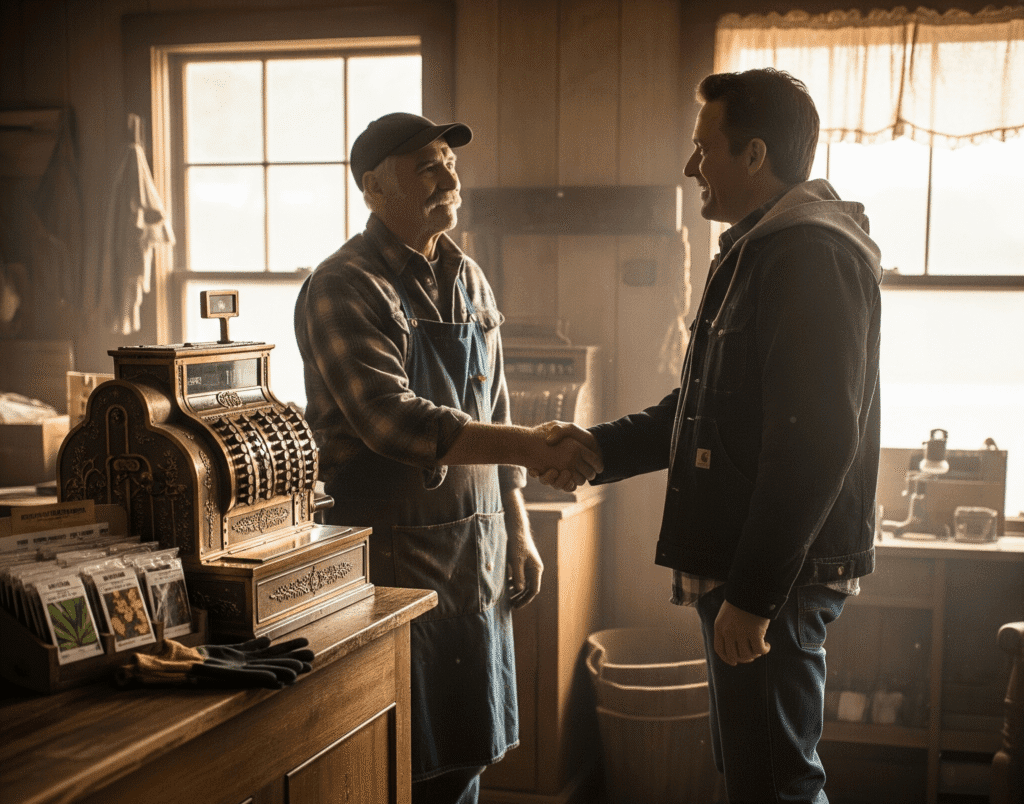
Remember old man Johnson down at the feed store? He knew everyone by name, and his business thrived on handshakes and word-of-mouth. He was a pillar of the community, and folks trusted him because they knew him. But what if Mr. Johnson wanted to reach folks two counties over, or even just the new family who just moved in down the road? Maybe he’s expanded his inventory to reach more customers who don’t stop in. His trusty handshake marketing might not be enough anymore. That’s where modern rural digital marketing comes in.
Get StartedDiscover Rural Mountain Media
Your Neighbor in Digital Marketing. We understand Rural Because We Are Rural
Hi, I’m Faye Martin from Rural Mountain Media, your neighbor in website development and digital marketing. I specialize in helping rural small businesses like yours thrive in the digital age. Whether you’re nestled in the heartland or snug in your cozy mountain cabin like me, you can count on me to get your message out to rural customers. I’m not talking about abandoning handshakes and community ties; just effectively extending their reach. We’ll explore how digital marketing for rural small businesses can transform your small business marketing efforts, helping you connect with more customers and boost your small business income.
And when you’re working with me, you’re not dealing with a huge clunky and slow team of graphic designers, logo designers, coders, AI techs, SEO experts, Google Ads and social media guys – it’s just me. I know all of it because I’ve done ALL of it – and I keep adapting and learning, bring in the absolute best and most successful tools available.
If you’re thinking, “Digital is just for the big city slickers?” Think again! The internet is just as vital for the country vet needing to reach new clients as it is for a big city store looking for online sales. The digital landscape offers incredible opportunities for rural small businesses to grow, often with less competition than their urban counterparts. Getting found is the key.
Rural Mountain Media: Rooted in Community, Growing Online
II. Understanding Your Needs for Rural Small Business Web Design and Marketing: It’s Not Just About Location
I believe a business off the beaten path deserves to be just as easy to find as one on a city street corner. So I build websites and marketing that bring rural businesses real customers, not just compliments, and I explain every step in plain English. Let’s get you found.
When we talk about rural marketing, it’s crucial to understand that it’s more than just a geographic distinction. There are unique rural marketing requirements for small businesses that shape how you should approach your strategy:
- Community-centric approach: Trust and relationships aren’t just important; they’re paramount. Rural communities often operate on a foundation of personal connections and reputation. Your marketing should reflect this, building genuine rapport rather than just pushing sales.
- Slower adoption rates (sometimes): While internet access has vastly improved, some rural demographics might be slower to adopt new technologies or online behaviors. However, as cell phone internet use has become more common, we see more customers reaching out online to check business hours, menus/services, pictures, product availability and pricing.
- Accessibility: While less common now, some areas might still have limited internet access. I like to focus on clear, simple but memorable sites that don’t require high bandwidth or complex IT.
- Tourism & Seasonality: If you’re in a community that depends on seasonal visitors, campers and “outsiders” for income, it’s crucial for your business to have that online presence. Attracting outside dollars builds the community and your business. If you rely on word-of-mouth or social media alone, you miss 80% of your sales opportunities from tourism.
It’s not just about putting up a billboard on the county road; it’s about knowing which county road your customers are actually driving down online. Understanding the digital habits and preferences of your local community AND visitors is key.
So, why is marketing for rural small businesses different, and often advantageous?- Less competition (often): In many rural sectors, you’ll find fewer direct competitors vying for online attention, giving you a clearer path to stand out.
- Stronger local loyalty: Once a rural customer trusts you, they’re often customers for life. Digital marketing can help you cultivate and reinforce this loyalty.
- Word-of-mouth amplified: A positive online presence can supercharge traditional word-of-mouth, turning satisfied customers into digital advocates.
- Outreach to new residents & visitors: Often, that first interaction drives customer loyalty that means years of repeat business. Attracting new customers first with a friendly, approachable online presence means your business can serve as that “link” that makes newbies feel at home. That’s something that people remember.
Ultimately, your rural customers are likely looking for convenience, reliability, and the reassurance of supporting a local business they can trust. Your marketing should speak directly to these values.
III. Building Your Online Homestead: Crafting a Top Small Business Marketing Website for Rural Communities
Just like a well-maintained homestead, your business needs a solid foundation in the digital world. This starts with your online presence.

Your Online Storefront: Small Business Website Design for Rural Communities
A professional, mobile-friendly website is no longer a “nice-to-have.” It’s a non-negotiable asset for any business, rural or urban.
- Why it’s essential: Your website serves as your 24/7 easy access information hub, showcasing your products and services. It lets customers know when you’re open, and what makes your business unique.
- Simplicity is key: Keep your website simple, clear, and easy to navigate. Rural customers appreciate straightforward information.
- Mobile-friendly: A significant portion of online traffic comes from mobile devices. Ensure your site looks and functions perfectly on smartphones and tablets.
- Showcasing local charm and values: Use your website to tell your story. Highlight your connection to the community, your local team, and the values that drive your business.
Rural Mountain Media understands that your small business hours probably fluctuate. That’s why when we do websites for rural small businesses, we set you up with an easy portal to make simple changes at any time – no need for serious technical skills, we train you!
Launching a Digital Campaign for Rural Small Business Marketing: Where to Start?
Once your online storefront is ready, it’s time to get noticed.
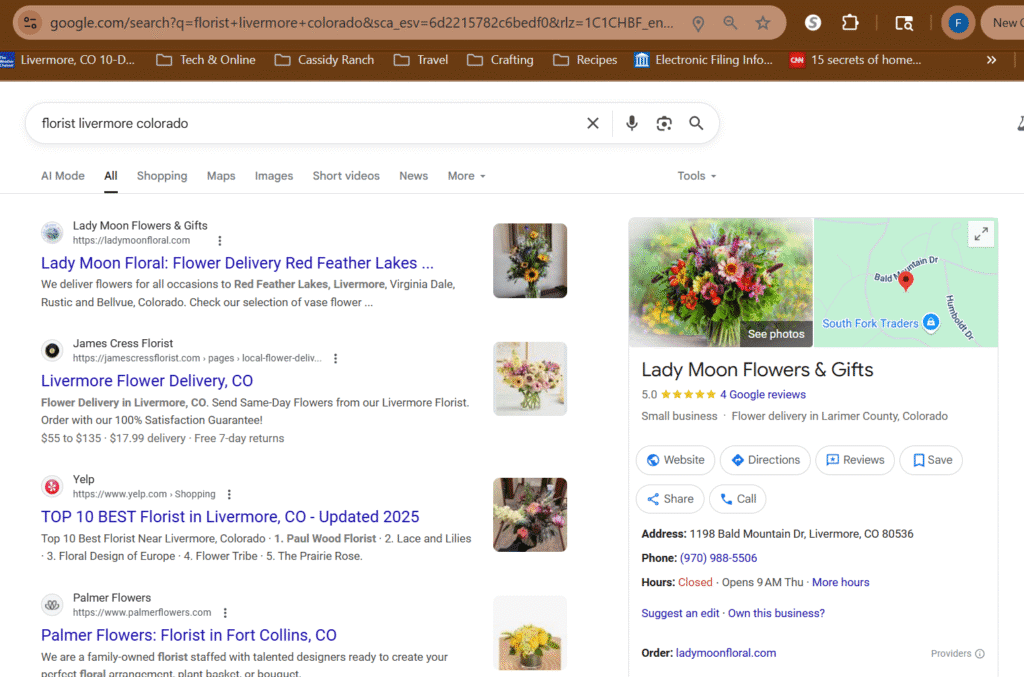
- Google My Business: This is the absolute must-have for local visibility. It’s a free tool that allows your business to appear in local search results and on Google Maps. Make sure your listing is complete, accurate, and regularly updated with photos and posts. Don’t post hours unless you’re willing to stick to them, and keep them regularly updated.
- Local SEO (Search Engine Optimization): This is about getting found when someone searches for “plumber near me,” “farm supply store,” or “best coffee shop in [your town].” It involves optimizing your website content and online listings with relevant local keywords. And you want to be at the TOP OF THE LIST!
- AI Optimization: Have you noticed how search results have changed drastically in the last year or so? Nowadays you’ll always see an AI summary at the top of search results; before individual listings. How does AI find and sort that information, and most importantly, how can you get your business (with a link) included there? In order for AI engines like Chat GPT, Google and others to find your business, it’s crucial to include specific instructions and information for AI engines in a special text file behind the scenes of your website. Today, no website is complete without optimization for AI search engines.
- Social Media (Facebook, Nextdoor, Instagram): A top notch online website should include tools for sharing content directly to your social media accounts, including product images and business graphics from your site. Using a social media posting tool that incorporates your business branding helps customers recognize your presence quickly, and draws attention when you’re posting restaurant specials, coupons, discount sales and more.
You wouldn’t open a shop without a sign, right? Your online presence is that signpost in the digital world. Without it, even the best business can go unnoticed.
Best Small Business Digital Marketing Practices & Important Website Features
To truly excel in rural digital marketing you need to adopt practices that resonate with your audience and ensure your website is a powerful tool.
Best Local Digital Marketing Practices: Important Small Business Website Features:- Local Targeting: Focus your marketing efforts on your immediate geographical area. Use location-specific keywords and jargon in your content and optimize your Google My Business profile meticulously. Make sure that whether it’s local customers or outsiders, that you’re at the top of search results for your location.
- Community Engagement: Don’t just broadcast messages; participate in online local groups, respond to comments, and show up at local events (and share about them online!).
- Visual Storytelling: Rural life is often rich with visuals. Use high-quality photos and videos of your business, your team, your products, and your local surroundings to tell your story authentically.
- Video Elements: The proof is in the pudding: incorporation of video elements enhances website visitor interaction and time on page by more than 150%! In today’s world, the use of video elements to capture attention is critical to website marketing performance.
- Testimonials and Reviews: Actively encourage satisfied customers to leave reviews on Google, Facebook, and other relevant platforms. Positive local word-of-mouth, amplified online, is incredibly powerful.
- Offline-to-Online Integration: Promote your website and social media channels in your physical location, on flyers, and in local advertisements. Make it easy for customers to find you online after an in-person interaction.
- Clear Contact Information: Prominently display your phone number, address, and hours of operation on every page, especially on mobile.
- Directions and Map Integration: Embed a Google Map directly on your contact page to make it easy for customers to find your physical location.
- Service/Product Showcase: Use clear descriptions and appealing images to highlight what you offer. For a rural agriculture business, this might include specific crop supplies or livestock services.
- About Us/Our Story Page: Rural customers value knowing who they’re doing business with. Share your business’s history, your team, and your connection to the community.
- Mobile Responsiveness: This cannot be stressed enough. Your website must look and function perfectly on any device, especially smartphones, as many rural users may primarily access the internet via mobile.
- Simple Navigation: Avoid overly complex menus. Make it intuitive for visitors to find what they’re looking for quickly.
- Social Media Integration: Make sure you’re making the most of your social media presence by using website tools that keep your brand “look” in your social media posts.
- Google Reviews: Using an automated tool or Google Review link to request customer reviews helps your business grow faster.
IV. Cultivating Connections: Strategies for Reaching Rural Communities
Once your digital homestead is built, it’s time to cultivate connections and grow your customer base.
Social Media Marketing for Farmers and Beyond
Social media is a powerful tool for connecting with your community for any rural business.
- Keep Your Brand Consistent: Use a tool like Blog2Social, or Meta to make your brand look consistent online from your website to your social media accounts. These tools pull images and your overall “look” from your website into your social media posts.
- Content ideas: Don’t just post sales pitches. Share:
- Local events and community news.
- Behind-the-scenes glimpses of your business.
- Customer spotlights (with permission, of course!).
- Helpful tips and advice related to your industry.
- Choosing the right platforms: While there are many platforms, Facebook often reigns supreme in rural areas due to its broad demographic reach and strong community group features. Nextdoor is becoming popular as well. Consider Instagram for visual arts businesses or LinkedIn for B2B.
- It’s not about going viral; it’s about going local and building a loyal following. Focus on genuine engagement and building relationships.
- Engaging with your community online: Respond to comments, answer questions, and participate in local online discussions. Be a helpful and active member of your local online community.
The Small Business Marketing Process: From Awareness to Advocacy
Think of your marketing efforts as a journey your customer takes with you, from first hearing about you to becoming a loyal advocate. This “rural marketing process” can be broken down into stages:
- Awareness: Getting seen. This is where local SEO, Google My Business, and an active social media presence come into play.
- Consideration: Providing value. Once people know about you, they’ll research. Offer helpful blog posts, useful tips, and showcase customer testimonials to build trust and demonstrate your expertise.
- Conversion: Making it easy to buy or inquire. Have clear calls to action on your website and social media. Make it simple for customers to contact you, request a quote, or make a purchase. Tracking your efforts via coupon signups and CRM tools are also essential for maintaining customer loyalty and direct advertising.
- Loyalty: Nurturing relationships. Keep your existing customers engaged through email marketing, exclusive offers, and continued community involvement. Encourage them to spread the word! ASIDE: Did you know that building a loyalty app for your business is easier than it sounds? Rural Mountain Media can help you build that loyalty app for local customers that offers incentives for spending their dollars with your business.
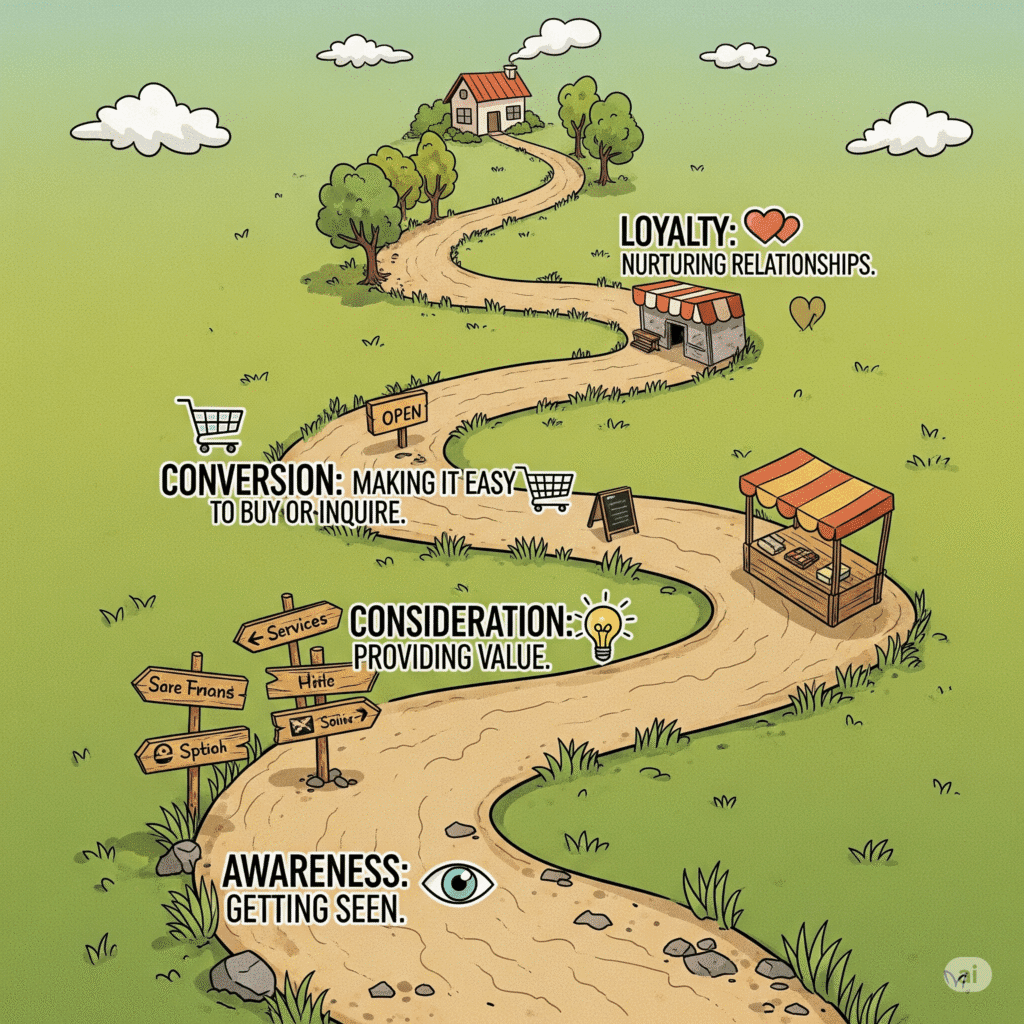
Just like planting a field, you need to prepare the soil, sow the seeds, nurture the crop, and then harvest the rewards. Each step is crucial for long-term growth.
Marketing to Rural Communities: Building Trust and Relationships
Trust is the bedrock of small business. Your online marketing should reinforce this.
- Highlighting local involvement and community support: Show how your business contributes to the local economy and community life. Sponsor a local team, participate in town events, and share it online.
- Authenticity over slickness: Rural customers appreciate genuine communication. Be yourself, be honest, and let your passion for your business shine through.
- Encouraging reviews and testimonials: Positive reviews on Google, Facebook, and other platforms are powerful social proof. Ask satisfied customers to share their experiences.
Specifics for Rural Agriculture Marketing
If your business serves the agricultural sector, tailor your approach:
- Showcasing expertise: Highlight your knowledge in specific crops, livestock, or farm management practices.
- Highlighting sustainable practices: Many modern farmers are interested in sustainable and efficient methods. If you offer solutions in this area, promote them.
- Connecting with agricultural associations and events: Participate in local and regional farm shows, expos, and industry groups, and promote your presence online.
Hostinger + RMM Insights = your DIY toolkit
Want to handle your own rural marketing? Build the site on Hostinger, then let RMM Insights run the growth side — SEO audit, a 60-day plan, Local Pulse content ideas, and Facebook & Google Ads builders, in plain English. Start free; the whole toolkit is $99/mo.
V. Beyond the Storefront: Advanced Tactics for Small Business Growth
Once you’ve mastered the basics, consider these advanced tactics to further expand your reach and revenue.
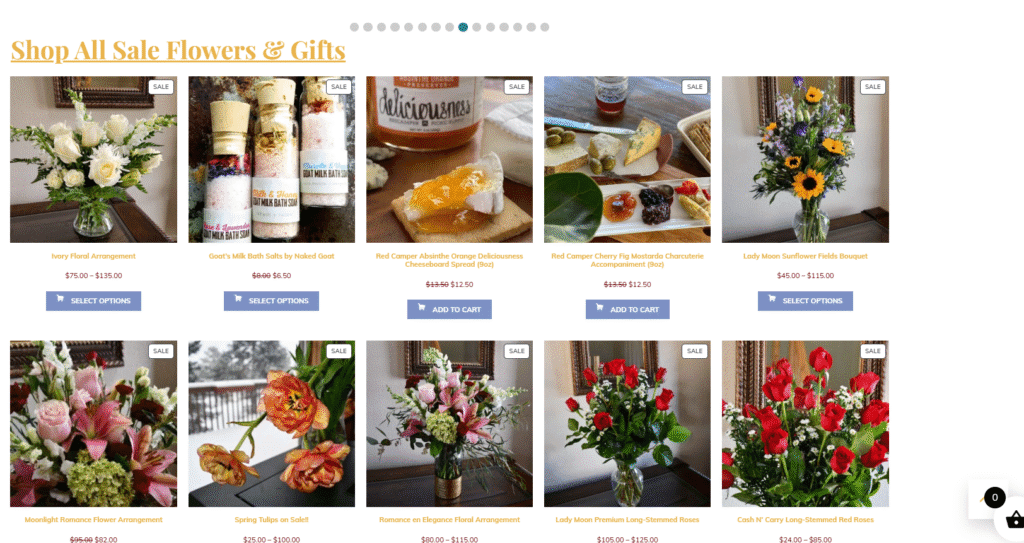
Rural Retail Marketing: Driving Foot Traffic and Online Sales
For retail businesses, blending online and offline strategies is key:
Combining online promotions with in-store events: Promote your in-store sales, workshops, or special events on your website and social media.
Click-and-collect options: Allow customers to order online and pick up in-store, offering convenience and drawing them into your physical location.
Loyalty programs and apps: Reward repeat customers with digital loyalty programs that can be tracked online and redeemed in-store.
Marketplace Listings: Another advanced tactic is to use WooCommerce to sync and show your products on Google and Facebook Marketplace. Integration using WooCommerce tools will show your products in the shopping sections of Google Results & Facebook. You can also set up direct and sale marketing channels, enable checkout through Google, Facebook, PayPal and Amazon to capture that sale at the very moment of the buyer’s interest.
Niche Marketing: The Remodeling Contractor Example
If your business serves a specific niche, tailor your digital efforts even more precisely. For example, a Local Remodeling Contractor:
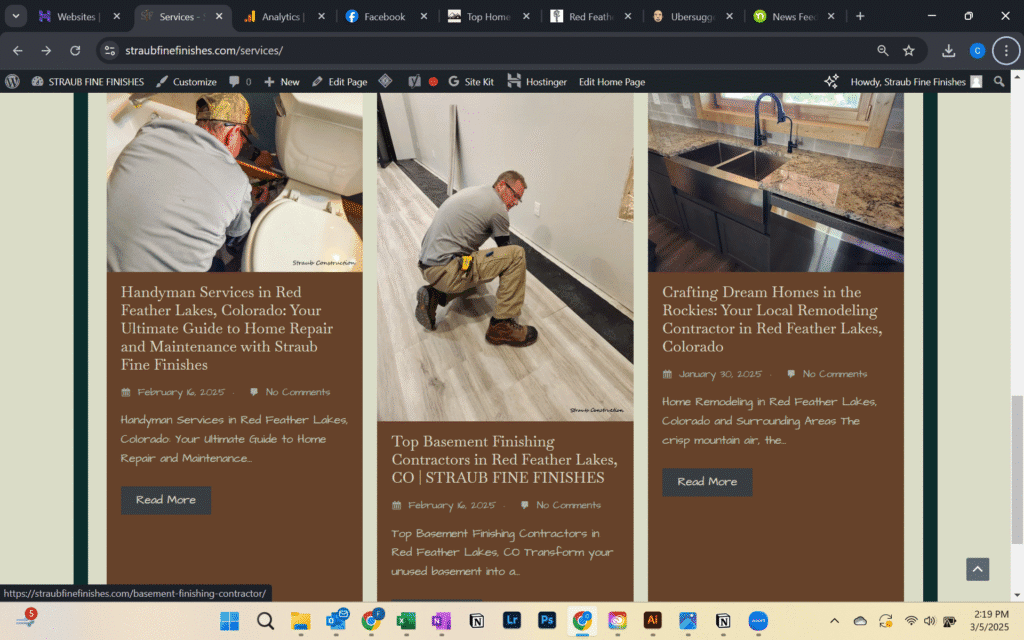
Targeted content: You want to tailor your content to your marketing audience: in this case, homeowners. Create content that answers common issues that homeowners face. This could include repair tips and tricks. You’ll also want beautiful pictures of recent projects, and ideas for creating living spaces that homeowners will love.
Online booking and consultation options: Offer the convenience of booking appointments online. Make it easy for them to schedule you for an on-site bid. It’s one less hassle for the homeowner to worry about when they can simply set up an appointment on their mobile phone, with confidence you’ll be there and ready to talk about their project.
Highlighting testimonials and credentials: A homeowner places trust and testimonials first in selecting a remodeling contractor. Make certain your testimonials are easy to find on your website. Highlight license and insurance credentials, and don’t forget to mention business partners and mutual relationships that may benefit homeowners. Examples include experience working with insurance adjustors, licensed roofing or excavating contractors you work with, and coordination of projects with temporary housing when major damages are an issue.
Partnerships and Collaborations
Working with other local businesses can expand your reach and strengthen the local economy.
Teaming up with other local businesses: Forming a local Chamber of Commerce can facilitate cross-marketing efforts. It’s best practice to promote each other’s services. A local hardware store can partner with nurseries, grain mills and custom lumber operations for example to store locally grown plants, locally milled feeds and local lumber.
Sponsoring community events: Get your business name out there while supporting local initiatives and charities. Promote your sponsorship both on their digital channels and your own website.
Combined Print Marketing: Flyers, newletters and coupon booklets can be direct-mailed to homeowners. These are much more cost-efficient when multiple businesses advertise together in one mailing.
Many heads (and many marketing budgets) are often better than one, especially when you’re both serving the same great community! Collaborative marketing can be incredibly effective and cost-efficient.
VI. Conclusion: Your Small Business, Rurally Located: Digitally Thriving
From understanding your unique small business marketing features to implementing a smart digital campaign for local marketing, the path to growth is easier than ever. The digital world isn’t just for urban jungles; it’s a fertile ground for rural businesses to plant their seeds and watch them grow.
You’ve built your business on hard work, dedication, and a deep understanding of your community. Now, let digital marketing amplify that effort, allowing your reputation to travel further and your customer base to expand.
The internet might seem like a superhighway, but with the right map, your rural business can cruise right onto it and reach new destinations.
Don’t be intimidated by the digital landscape; embrace it as a powerful tool for your success.
Ready to take your rural business marketing to the next level? Contact me at Rural Mountain Media today for a personalized strategy session. Let’s make your digital presence as strong as your community roots!
Ready to put this to work for your business?
This is exactly what I do for rural and small-town businesses every day — web, marketing, and print that earns its keep.
See My Services Packages & Pricing Book a Free CallFree Download
The Rural Business Website Checklist
The essentials every rural business website needs to get found on Google and turn visitors into customers. Enter your email and I’ll send it right over.
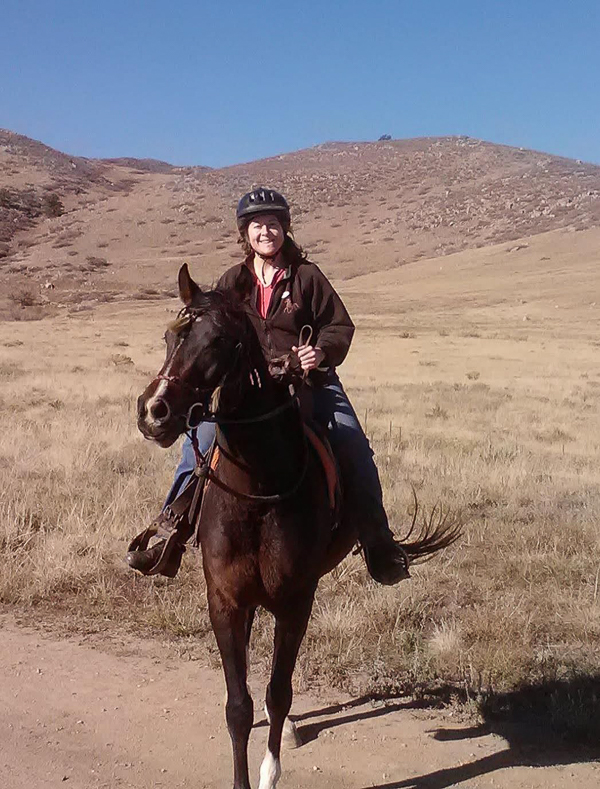
Founder of Rural Mountain Media. I build the websites and run the marketing for rural small businesses across the country — and I run a few of my own. More about me →
Build & market your business with RMM Insights
My guided DIY toolkit runs the analysis, hands you the plan in plain English, and walks you through the work — SEO audit, 60-day web plan, Local Pulse content ideas, and Facebook & Google Ads builders. Start free; the whole toolkit is $99/mo.
Rather have it done for you?
If you’d rather hand it off, let’s talk about your website, SEO, and marketing in a free, no-pressure consultation.
Schedule My Free Consultation